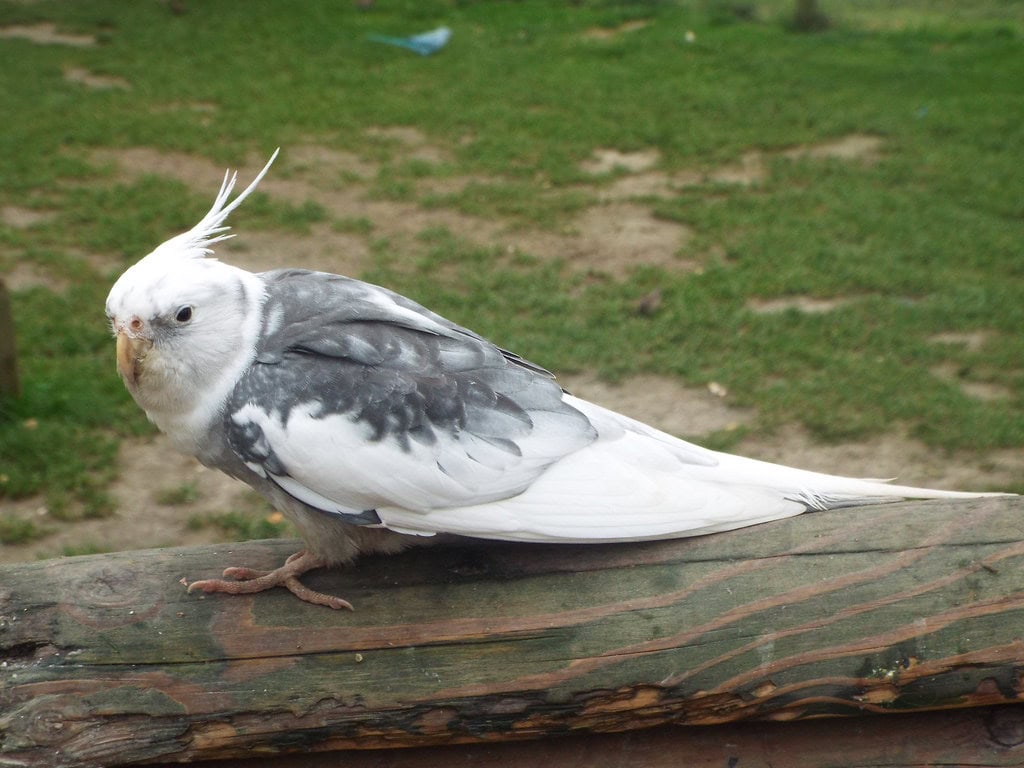
As with all pets, providing your cockatiel with a high-quality and varied diet is one of the most important things you can do to keep it satisfied and healthy. Unfortunately, there are still a lot of misconceptions about what cockatiels and other parrots should eat. Do cockatiels eat seeds? Do they only eat dry food? What do cockatiels eat?
What do cockatiels eat? Continue reading to learn more about cockatiel nutrition and what you should be feeding your pet.
Key Takeaways
- Diet & Nutrition: Always verify that any new food is non-toxic and safe for cockatiels before feeding.
- Behavior & Care: Sudden changes in behavior or droppings require immediate attention.
- Environment: A clean, stimulating environment is essential for a cockatiel’s physical and mental well-being.
What do cockatiels eat in the wild?
Cockatiels, like other birds, require specific types of food in order to thrive. It’s still beneficial to study the diet of a wild cockatiel, even if domestic and wild cockatiels have different nutritional demands. What has evolution brought them in their harsh Australian homeland?
Cockatiels can be found almost everywhere in Australia, with the exception of the coastal areas. These regions are generally dry, but the birds do tend to stay near to water. They are migratory and move about in search of food and water sources if need be.
Cockatiels, like budgies, are ground feeders that live in the same regions. Seeds are their preferred food: they’ve been tailored to shell and consume a seed at breakneck speed. Other foods from the land include fruit, grain, and grass seeds.
The cockatiel’s diet varies greatly depending on the region and what is accessible. Jones (1987) found that the cockatiels he studied had a strong fondness for sorghum, although they ate a total of 29 different kinds of seeds. Young and delicate seeds were chosen first and foremost.
Insects were also found in the stomach contents of some of the cockatiels; these were usually taken during the breeding season. Lizards, frogs, and small birds were also eaten on occasion.
Cockatiels, like other birds that live in hot climates, can survive quite a while without drinking water. When they drink, they’re susceptible, so they take big gulps and quickly return their attention to their surroundings. They also get water from the vegetation they digest.
Did you know? Cockatiels have been shown to have a decent sense of taste, according to research. This helps them determine if something is harmful or not.
Matson, Millam & Klasing, 2004.
What do cockatiels eat in captivity?
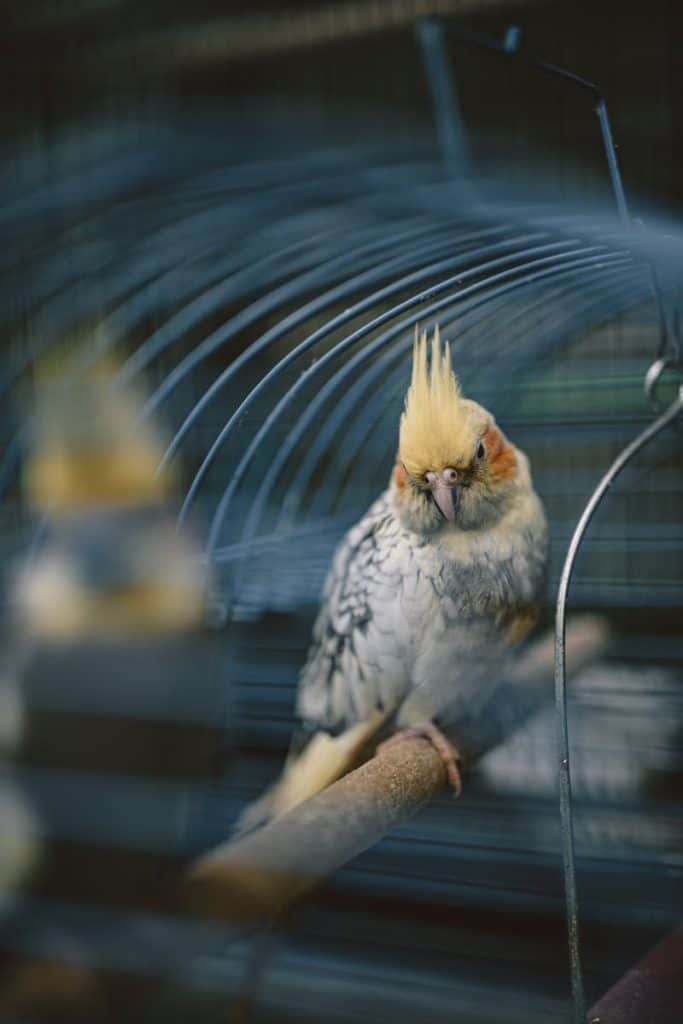
Wild vs domestic cockatiels
When designing a feeding strategy for your house cockatiel, keep in mind the wild cockatiels’ feeding habits as previously said. After all, they’ve spent millennia evolving to where they are now in terms of eating habits!
We can’t, therefore, consider wild and domestic cockatiels to be equal. A wild cockatiel is a migratory bird that never stops moving. They’re birds who, in tough situations, have to work hard to find enough food and water. That’s obviously not the case in captivity.
A domestic cockatiel will never require as many calories as a wild one since you try to let it out of its cage and stimulate active behavior and playing. A pet cockatiel will only get overweight on seeds, where wild ones would benefit from them.
There are still a lot of questions about seed-based diets versus commercial pellet foods, despite the fact that this is an issue that has been resolved. In Europe and other regions of the world, seeds continue to be popular, whereas, in the United States, pellets appear to be more popular. It is also more expensive to keep a cockatiel healthy on a pellet diet.
So, what’s the best way to go in the long run? The secret to your cockatiel’s success is always variety.
What can you feed?
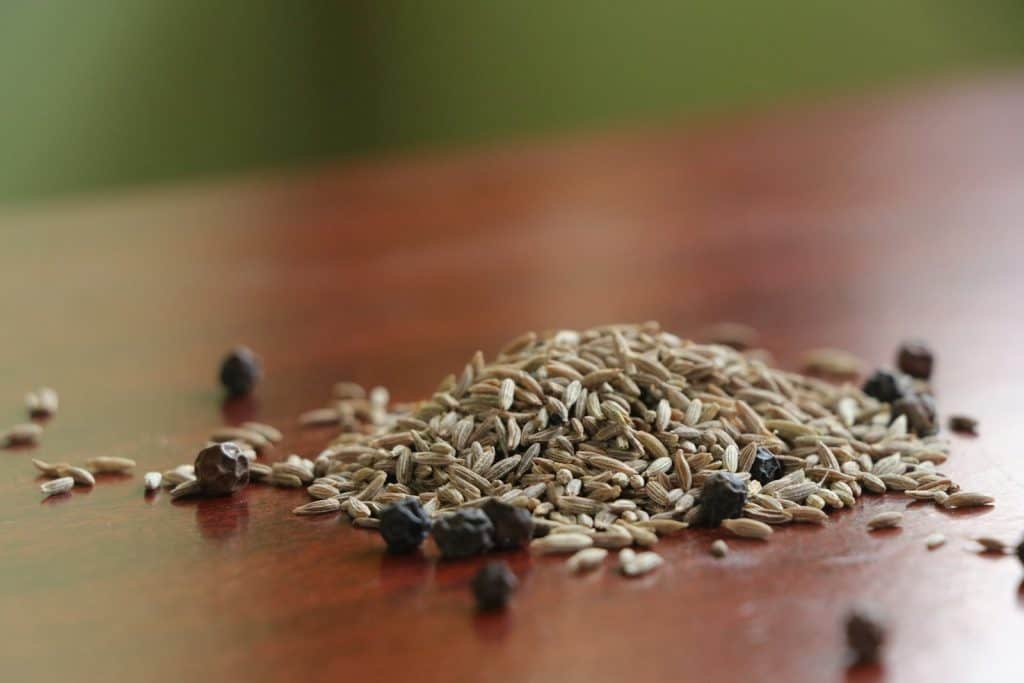
The quick answer is that there are a lot of things!
The long answer is that most cockatiel owners like to feed a high-quality pellet food as a foundation. However, simply feeding pellets will not suffice. In fact, feeding any sort of food just once will lead to problems including obesity and/or nutritional shortages, which can substantially reduce cockatiel lifespan.
Instead of relying only on pellets, you should add in a variety of other items to keep things interesting. Consider leafy greens, fruits, seeds, legumes, grains, sprouts, spices, herbs, and nuts (as snacks).
Cockatiels can be picky eaters. They need to know you are the one who provides the food, so it’s important that they be introduced to new foods quickly and often.
Did you know? Cockatiels, unlike other birds such as pigeons, shell seeds before eating them. As a result, you don’t need to offer them any grit. It can actually be harmful.
Although getting your cockatiel accustomed to anything other than seeds might be difficult, providing a diverse diet is critical, so don’t give up. Feeding your ‘tiel lower-calorie, more nutritionally nutritious meals is the greatest method to avoid obesity and ensure that it has a long life.
A cockatiel’s diet plan may be structured as follows:
- 30% high quality pellets
- 30% vegetables
- 15% high quality seeds
- 10% fruits (they’re high in sugars, so don’t overdo them!)
- 15% other foods
If you’d like to learn more about all of the many sorts of meals that you might give your cockatiel, please see our article on parrot food and nutrition.
Tip: Also, remember to keep a cuttlebone or calcium block on hand for your cockatiel.
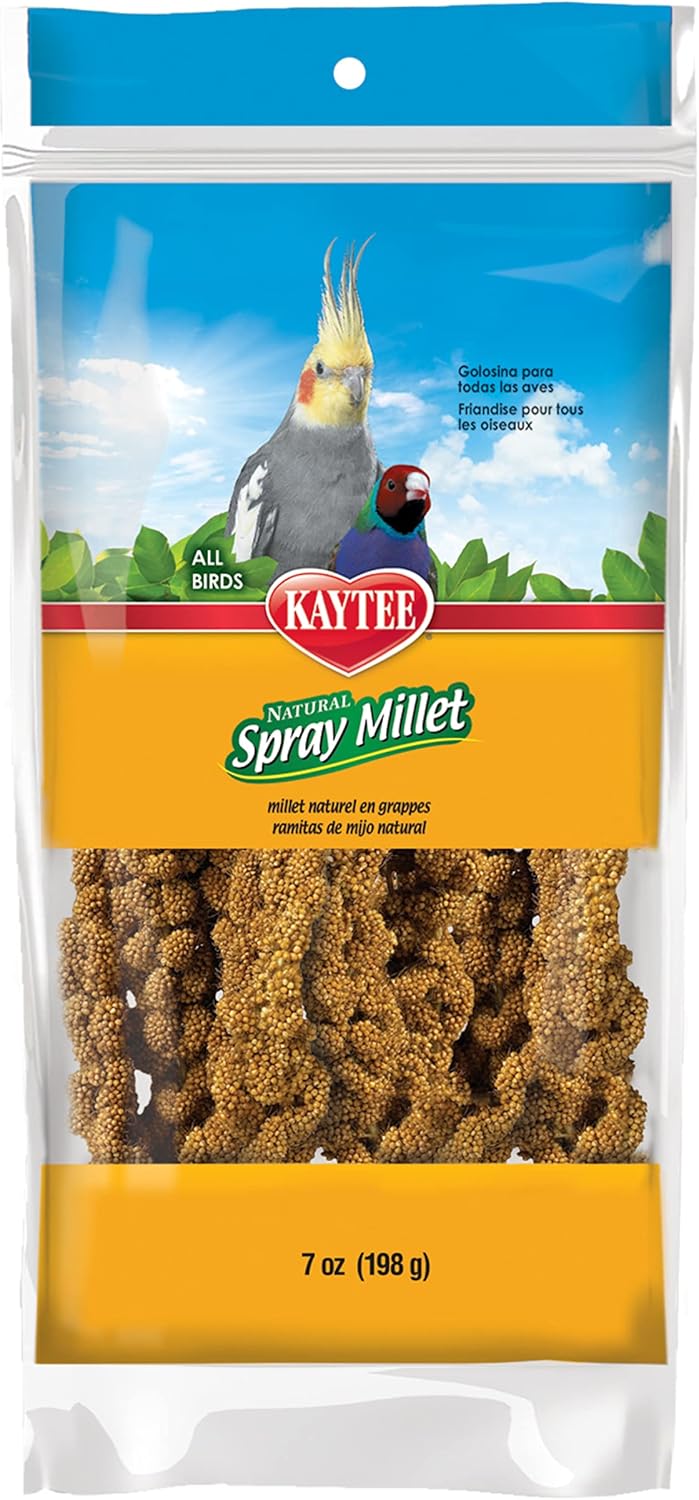
- Highly palatable treat
- All natural with no artificial colors or flavors
- Provides natural foraging opportunity for daily enrichment
- Provides healthy energy
- Good for encouraging weaning and getting birds to eat
- Adds recommended nutritional variety to a bird’s diet
- Ideal for bonding and playtime
Importance of Fresh Food in a Cockatiel’s Diet
To ensure your cockatiel thrives, incorporating fresh food into their diet is essential. Fresh fruits and vegetables not only add variety but also provide vital nutrients that pellets and seeds alone may lack. A balanced diet is crucial for maintaining your bird’s health and preventing common issues associated with a seed-heavy diet. Aim to introduce a wide range of nutritious food options, as this encourages healthy eating habits and keeps your cockatiel engaged.
Creating an Optimal Feeding Environment
The way you present your cockatiel’s meals can also influence their eating habits. Using separate food and water dishes can help maintain cleanliness and ensure your pet bird has access to fresh resources. Make sure to clean these dishes daily to prevent bacteria growth, especially when feeding fresh fruits and vegetables.
Converting Seed-Eating Birds
If your cockatiel is accustomed to a seed diet, transitioning to a more diverse menu might take some time. Converting seed-eating birds to include pellets and fresh food can be a gradual process. Start by mixing small amounts of pellets with their usual seeds, slowly increasing the proportion of pellets over time. This method will help your cockatiel adapt to a wider variety of food while maintaining their comfort level.
Understanding What Your Cockatiel Eats
Observing what your cockatiel eats can provide insights into their preferences and nutritional needs. A well-rounded diet should include a mix of high-quality pellets, fresh fruits, leafy greens, and other healthy options. By ensuring your cockatiel eats a diverse selection, you’ll help promote longevity and vitality.
Monitoring Food Intake
Keep an eye on your cockatiel’s eating habits to identify any changes in behavior or diet preferences. A healthy cockatiel will usually be curious and enthusiastic about their food. If you notice your pet bird is hesitant to try new foods or is solely relying on seeds, it may be time to re-evaluate the bird’s diet and feeding approach.
Tips for Introducing New Foods
When transitioning to a more varied diet, patience is essential. Here are some strategies to help:
- Start Slow: Introduce new foods gradually alongside their regular diet. Mix small amounts of fresh food with seeds or pellets to encourage them to try it.
- Be Consistent: Offer new items regularly, even if they don’t seem interested at first. Familiarity can breed acceptance.
- Use Positive Reinforcement: Reward your cockatiel with praise or a small treat when they try something new. This can encourage adventurous eating.
- Cut Foods into Small Pieces: Smaller pieces can make it easier for your cockatiel to explore new textures and flavors.
Can cockatiels eat…? The complete food safety list
Quick answer: a healthy cockatiel diet is roughly 60% quality pellets, 30% fresh vegetables and greens, and 10% seeds, fruit and treats. Below is our complete safety list - 137 foods checked, each linking to a full guide with serving sizes and prep. Foods marked ⚠️ are fine occasionally with the noted precautions; anything marked ❌ should stay out of the cage entirely.
Fruits
| Food | Verdict | Notes |
|---|---|---|
| Apples | ✅ Safe | Remove seeds - they contain cyanide compounds |
| Apricots | ✅ Safe | Remove the pit |
| Banana | ✅ Safe | High sugar - small amounts |
| Blackberries | ✅ Safe | Rinse well |
| Blueberries | ✅ Safe | Excellent antioxidants |
| Cantaloupe | ✅ Safe | Remove rind |
| Cherries | ✅ Safe | Always remove the pit |
| Coconut | ✅ Safe | Fresh or dried, unsweetened |
| Dates | ⚠️ Moderation | Very high sugar |
| Dragon fruit | ✅ Safe | Seeds and flesh both fine |
| Dried cranberries | ⚠️ Moderation | Choose unsweetened |
| Figs | ✅ Safe | Fresh preferred |
| Grapefruit | ⚠️ Moderation | Acidic - occasional only |
| Grapes | ✅ Safe | High sugar - halve them |
| Guava | ✅ Safe | Seeds OK |
| Jackfruit | ✅ Safe | Ripe flesh only, no seeds |
| Kiwi | ✅ Safe | Peel first |
| Lemon | ⚠️ Moderation | Very acidic - tiny amounts |
| Lychees | ✅ Safe | Peel and de-seed |
| Mandarins | ✅ Safe | Small segments, occasional |
| Mango | ✅ Safe | Remove skin and pit |
| Oranges | ✅ Safe | Occasional - acidic |
| Papaya | ✅ Safe | Seeds OK in small amounts |
| Peaches | ✅ Safe | Remove pit - it's toxic |
| Pears | ✅ Safe | Remove seeds |
| Pineapple | ✅ Safe | Fresh only, small amounts |
| Plums | ✅ Safe | Remove pit |
| Pomegranate | ✅ Safe | Arils are a favourite |
| Raisins | ⚠️ Moderation | Concentrated sugar |
| Raspberries | ✅ Safe | Rinse well |
| Strawberries | ✅ Safe | Wash thoroughly |
| Watermelon | ✅ Safe | Seeds are fine too |
Vegetables
| Food | Verdict | Notes |
|---|---|---|
| Alfalfa sprouts | ✅ Safe | Rinse very well |
| Arugula | ✅ Safe | Nutrient-dense green |
| Asparagus | ⚠️ Moderation | Lightly cooked preferred |
| Bean sprouts | ✅ Safe | Fresh and rinsed |
| Beetroot | ✅ Safe | Raw or cooked, never pickled |
| Bell peppers | ✅ Safe | All colours, seeds OK |
| Broccoli | ✅ Safe | Raw or steamed |
| Brussels sprouts | ✅ Safe | Chop or steam |
| Cabbage | ⚠️ Moderation | Small amounts (oxalates) |
| Carrots | ✅ Safe | Tops are great too |
| Cauliflower | ✅ Safe | Raw or steamed |
| Celery | ⚠️ Moderation | Remove stringy fibres |
| Corn | ✅ Safe | Fresh or cooked, unsalted |
| Cucumbers | ✅ Safe | Mostly water - fine |
| Eggplant | ⚠️ Caution | Ripe flesh only; never leaves or stem |
| Green beans | ✅ Safe | Raw or steamed |
| Kale | ✅ Safe | Superfood green |
| Leeks | ❌ Unsafe | Allium family - toxic to birds |
| Lettuce | ⚠️ Moderation | Low nutrition; romaine over iceberg |
| Peas | ✅ Safe | Fresh or thawed frozen |
| Potatoes | ⚠️ Caution | Cooked only - raw contains solanine |
| Pumpkin | ✅ Safe | Cooked; seeds also safe |
| Radishes | ✅ Safe | Small amounts |
| Snow peas | ✅ Safe | Whole pod OK |
| Spinach | ⚠️ Moderation | Oxalates - rotate with other greens |
| Sweet potato | ✅ Safe | Cooked, plain |
| Tomatoes | ⚠️ Caution | Ripe fruit only; vines and leaves toxic |
| Zucchini | ✅ Safe | Raw or cooked |
Herbs, greens & plants
| Food | Verdict | Notes |
|---|---|---|
| Basil | ✅ Safe | Fresh leaves |
| Cilantro | ✅ Safe | Popular with most 'tiels |
| Clover | ✅ Safe | Pesticide-free only |
| Dandelion leaves | ✅ Safe | Unsprayed only |
| Dill | ✅ Safe | Fresh fronds |
| Eucalyptus leaves | ⚠️ Caution | Natural for wild 'tiels; small amounts |
| Grass | ⚠️ Caution | Untreated lawns only |
| Lavender | ✅ Safe | Culinary lavender, small amounts |
| Lemongrass | ✅ Safe | Fresh, chopped |
| Mint | ✅ Safe | Fresh leaves |
| Parsley | ✅ Safe | Small amounts, despite old myths |
| Aloe vera | ⚠️ Caution | Inner gel only; latex layer is toxic |
| Flowers | ⚠️ Depends | Only confirmed bird-safe species |
| Thistles | ✅ Safe | Wild favourite; unsprayed |
Nuts & seeds
Not sure which nuts are safe at all? Start with our full guide to what nuts cockatiels can eat, then check individual foods below.
| Food | Verdict | Notes |
|---|---|---|
| Almonds | ✅ Safe | Unsalted, raw; chop first |
| Cashews | ✅ Safe | Unsalted, occasional |
| Chia seeds | ✅ Safe | Dry or soaked |
| Flax seeds | ✅ Safe | Sprinkle on chop |
| Hazelnuts | ✅ Safe | Chopped, unsalted |
| Macadamia nuts | ⚠️ Moderation | Very high fat |
| Peanuts | ⚠️ Caution | Human-grade only - aflatoxin risk in shells |
| Pecans | ✅ Safe | Small pieces |
| Pistachios | ✅ Safe | Unsalted, shelled |
| Pumpkin seeds | ✅ Safe | Raw, unsalted |
| Sesame seeds | ✅ Safe | Great chop topper |
| Sunflower seeds | ⚠️ Moderation | Fatty - treat only, not a staple |
| Walnuts | ✅ Safe | Chopped, unsalted |
| Millet | ⚠️ Moderation | Beloved but fattening - ration it |
Proteins & animal products
| Food | Verdict | Notes |
|---|---|---|
| Eggs | ✅ Safe | Hard-boiled or scrambled plain |
| Scrambled eggs | ✅ Safe | No butter, milk or salt |
| Chicken | ⚠️ Moderation | Plain cooked, tiny amounts |
| Turkey | ⚠️ Moderation | Plain cooked only |
| Fish | ⚠️ Moderation | Plain cooked, occasional |
| Salmon | ⚠️ Moderation | Cooked, unseasoned |
| Tuna | ⚠️ Caution | Mercury - rare treat only |
| Shrimp | ⚠️ Moderation | Cooked, plain |
| Mealworms | ✅ Safe | Dried or live |
| Meat | ⚠️ Moderation | Not a natural food; rare treat |
| Cheese | ❌ Avoid | Birds are lactose intolerant |
| Insects | ✅ Natural | Wild cockatiels eat them |
Grains & human foods
| Food | Verdict | Notes |
|---|---|---|
| Bread | ⚠️ Moderation | Wholegrain, tiny amounts, no salt |
| Cheerios | ⚠️ Moderation | Plain only |
| Crackers | ❌ Avoid | Salt content |
| French fries | ❌ Avoid | Salt and oil |
| Ice cream | ❌ Avoid | Dairy and sugar |
| Lentils | ✅ Safe | Cooked or sprouted only - never raw |
| Noodles | ⚠️ Moderation | Plain, cooked |
| Oats | ✅ Safe | Plain rolled oats |
| Pasta | ⚠️ Moderation | Plain, cooked or dry |
| Peanut butter | ⚠️ Caution | Unsalted, no xylitol, pea-sized |
| Popcorn | ⚠️ Moderation | Air-popped, plain only |
| Potato chips | ❌ Avoid | Salt and oil |
| Pretzels | ❌ Avoid | Salt |
| Quinoa | ✅ Safe | Cooked and rinsed |
| Rice | ✅ Safe | Cooked, plain |
| Rice cakes | ⚠️ Moderation | Unsalted only |
| Tortillas | ⚠️ Moderation | Plain corn preferred |
| Tortilla chips | ❌ Avoid | Salt and oil |
| Weetbix | ⚠️ Moderation | Dry crumble, tiny amounts |
| Honey | ⚠️ Caution | Small amounts; never raw for young birds |
| Cinnamon | ✅ Safe | Ceylon cinnamon only, a sprinkle |
| Ginger | ✅ Safe | Tiny amounts |
| Budgie food | ⚠️ Suboptimal | Not formulated for cockatiels |
| Parakeet food | ⚠️ Suboptimal | Not formulated for cockatiels |
| Wild bird seed | ⚠️ Suboptimal | Quality varies; not a staple |
Drinks
| Food | Verdict | Notes |
|---|---|---|
| Milk | ❌ Avoid | Birds are lactose intolerant |
| Tea | ⚠️ Caution | Only caffeine-free herbal, cooled |
| Coffee | ❌ Toxic | Caffeine is dangerous to birds |
| Coconut water | ⚠️ Moderation | Plain, unsweetened, occasional |
Never feed these (toxic)
| Food | Verdict | Notes |
|---|---|---|
| Avocado | ❌ Toxic | Persin - can be fatal to birds |
| Chocolate | ❌ Toxic | Theobromine - toxic to birds |
| Garlic | ❌ Toxic | Allium compounds damage red blood cells |
| Onions | ❌ Toxic | Same allium toxicity |
| Jalapeños (prepared) | ❌ Avoid | Seasoned or oily prep is unsafe |
| Olives | ❌ Avoid | Brined - dangerous salt levels |
| Bacon | ❌ Avoid | Salt, fat and nitrates |
| Mushrooms | ⚠️ Avoid | Several varieties toxic - safest to skip |
| Dog food | ❌ Avoid | Wrong nutrition profile |
| Alcohol, caffeine, xylitol | ❌ Toxic | Always dangerous - never offer, no exceptions |
Every verdict links to a detailed guide covering serving size, preparation and warning signs. When in doubt, ask your avian vet - and if your bird has eaten something from the toxic list, contact a vet immediately.